

Download The ecotop series manual
This manual includes everything you need to know about your Ecotop kiln, from setup and operation to maintenance and parts. Designed to support confident firing, it serves as a complete reference for getting the most from your kiln.


Need more help?
To ensure you receive the correct components for your specific model, please contact our support team at service@rohde-kilns.com to place your order. All spare parts, including heating elements and thermocouples, are stocked at our North Carolina warehouse and typically ship within two business days.
This depends on the firing curves, frequency, and ware being fired. If possible, avoid excessive heating rates of over 215°F/hr (120°C/h) or “Full” or “Skip”, as these heating rates put a lot of strain on the heating elements and shorten their service life.
The product data sheet for each kiln contains the amperage per phase, the connected load, and the plug fitted in each case. Kilns with an amperage of up to 63A are always supplied with a corresponding plug.
Kilns up to 3.6 kW (16 A) are supplied with a plug for a standard 240V, 20A receptacle outlet, a common outlet found in many residential, commercial, and industrial facilities. As kilns are heating appliances with a high continuous load, we always recommend having the outlet checked beforehand to ensure safe operation. Your local electrician can carry out a quick check to see if your outlet is suitable.
For safe kiln operation of the above-mentioned kilns, you need a properly grounded outlet approved for a connected load of at least 16A and suitably fused or otherwise protected against overcurrent, and no other loads on this circuit. The supply wiring from the distribution box to the outlet should be suitable for a continuous load of 16A and be of appropriate gauge for the cable length and type of installation. The cable gauge to be used cannot be specified remotely, as factors such as the cable length and the type of installation on site must be considered
For your own safety, allow only licensed electrician(s) to modify the electrical installation.
Ask your local electrician whether installing an upsized outlet for the kiln in your workshop is possible. This depends, among other things, on your existing power connection and must be checked locally on site by a qualified electrician. Show the electrician the product data sheet of the desired kiln. This contains all the important information (plug type, power consumption, etc.)
Kilns with amperage up to 63 amps are supplied with a plug. You don’t need an electrician to plug it in. The kilns have output values that can be equivalent to the connected load of a single-family household. We recommend that a qualified electrician check your electrical installation before purchasing the kiln.
Kilns with an amperage of 63 amps or more are supplied without a plug and must be permanently connected. This connection option may only be carried out by a qualified electrician.
Please hire a local electrician to perform this work.
Have the kiln checked by a qualified electrician employing an electrical isolation test to see if there is a fault. Have all the heating element connections checked at the same time.
For front loaders, also have the connections in the door checked. Heating appliances may have a certain leakage current, but this should not cause the GFCI to trip. If several pieces of equipment are operated on a GFCI, such as one serving a whole distribution panel, the sum of all residual currents can lead to tripping.
The lightweight firebrick can absorb moisture if the kiln is installed or stored in a humid environment. The moisture may be sufficient to trigger a GFCI breaker. Place the kiln in a dry environment and allow it to dry.
Do not continue to operate the kiln until safe operation is guaranteed.
TUTORIALS-MASTERING YOUR KILN

What you need to know about loading a toploader kiln
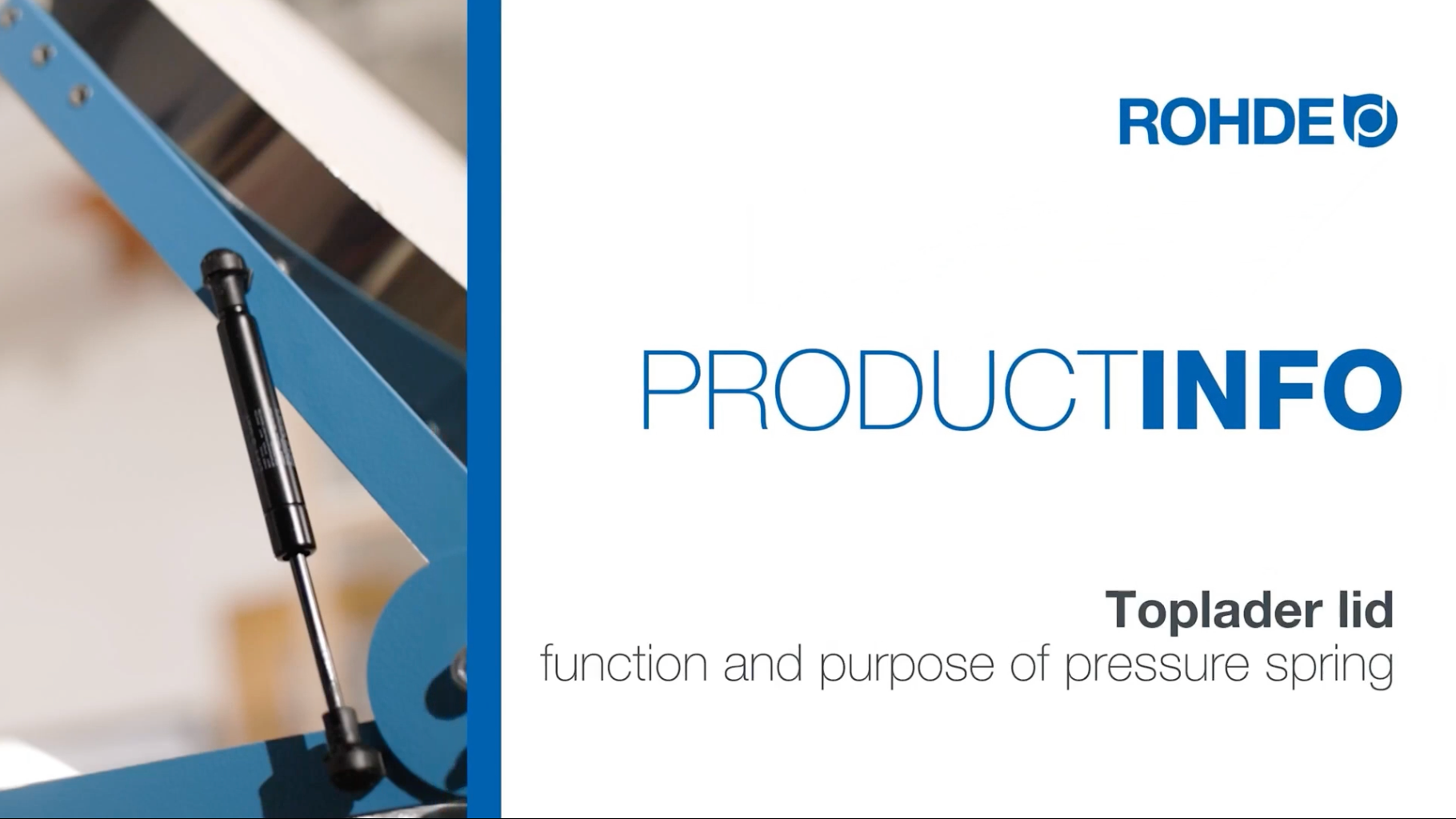
Toploader lid function and purpose of pressure spring
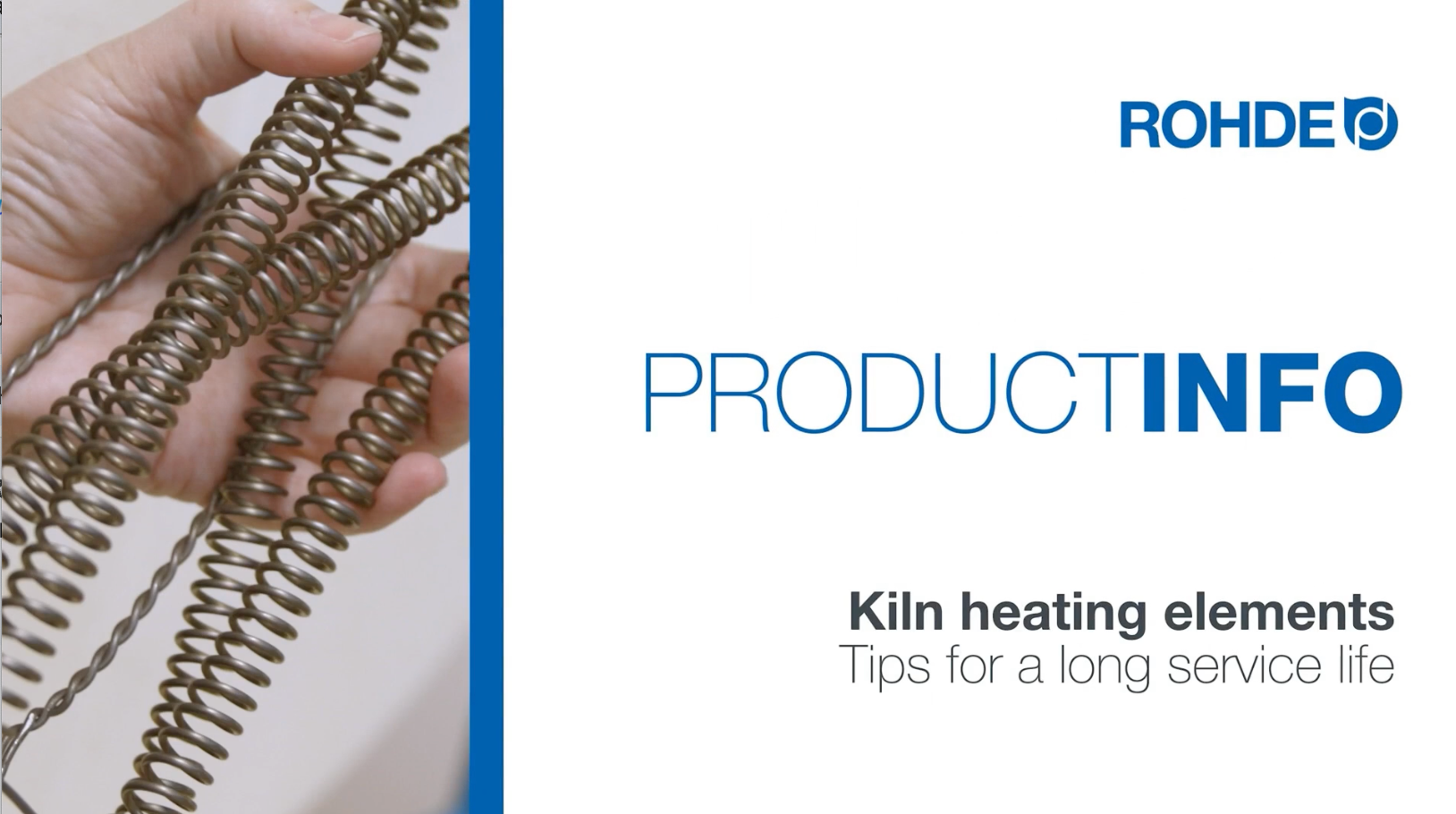
Kiln Heating Elements Tips for a Long Service Life
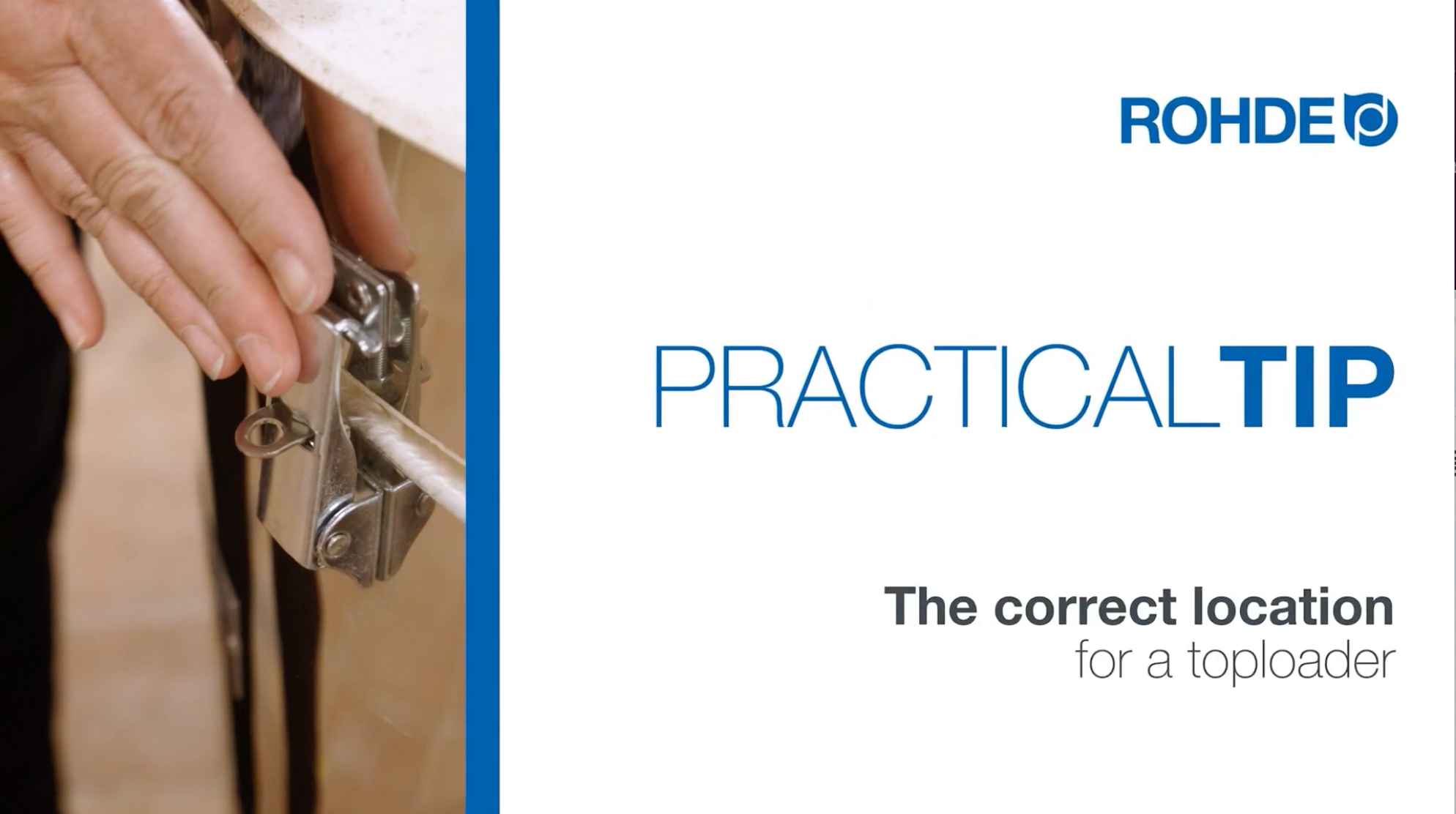
The Correct Location for a TOploader
Cooling After Firing
Treating and Maintaining Furniture Batts
Preparing Ceramics Optimally for firing- drying
Controlling Supply and Exhaust and air